Blog - 4/8/26
Understanding Mold in Your Stillwater Home: Prevention, Detection, and Safe Remediation

"Call the one with the duck!"
What is Mold and Why is it a Problem in Stillwater?
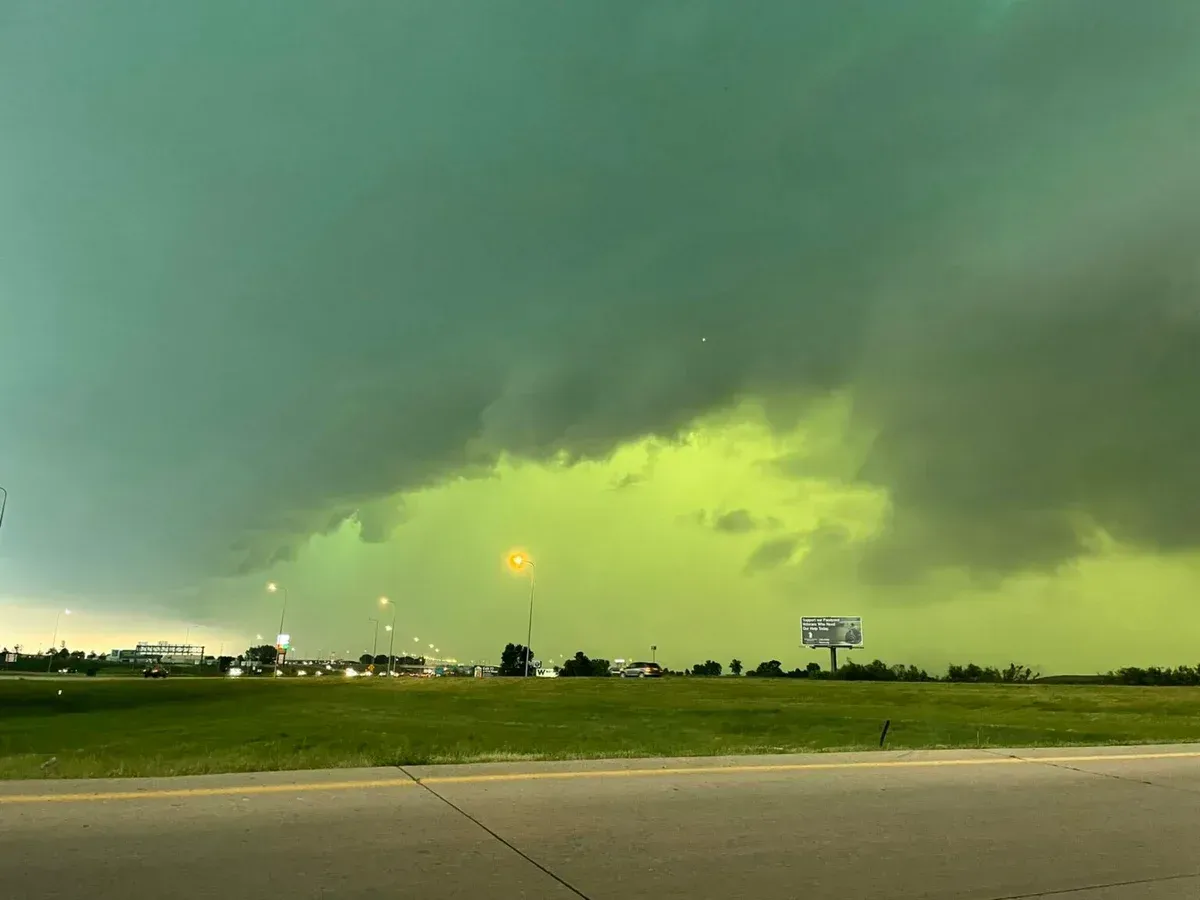
Mold is a type of fungus that grows in damp, dark, and poorly ventilated areas. It reproduces by releasing spores into the air, which can then settle on new surfaces and begin to grow if moisture is present. In Stillwater, factors like high humidity, seasonal flooding, and common household leaks contribute to its prevalence.
Health Risks Associated with Mold Exposure
•Respiratory Issues: Mold spores can trigger allergies, asthma attacks, and other respiratory problems, especially in sensitive individuals.
•Skin Irritation: Direct contact with mold can cause rashes and skin irritation.
•Other Symptoms: Headaches, fatigue, and eye irritation are also commonly reported symptoms of mold exposure.
🚨 Water damage worsens every minute — mold can begin forming in as little as 24 hours!
Common Sources of Moisture Leading to Mold Growth
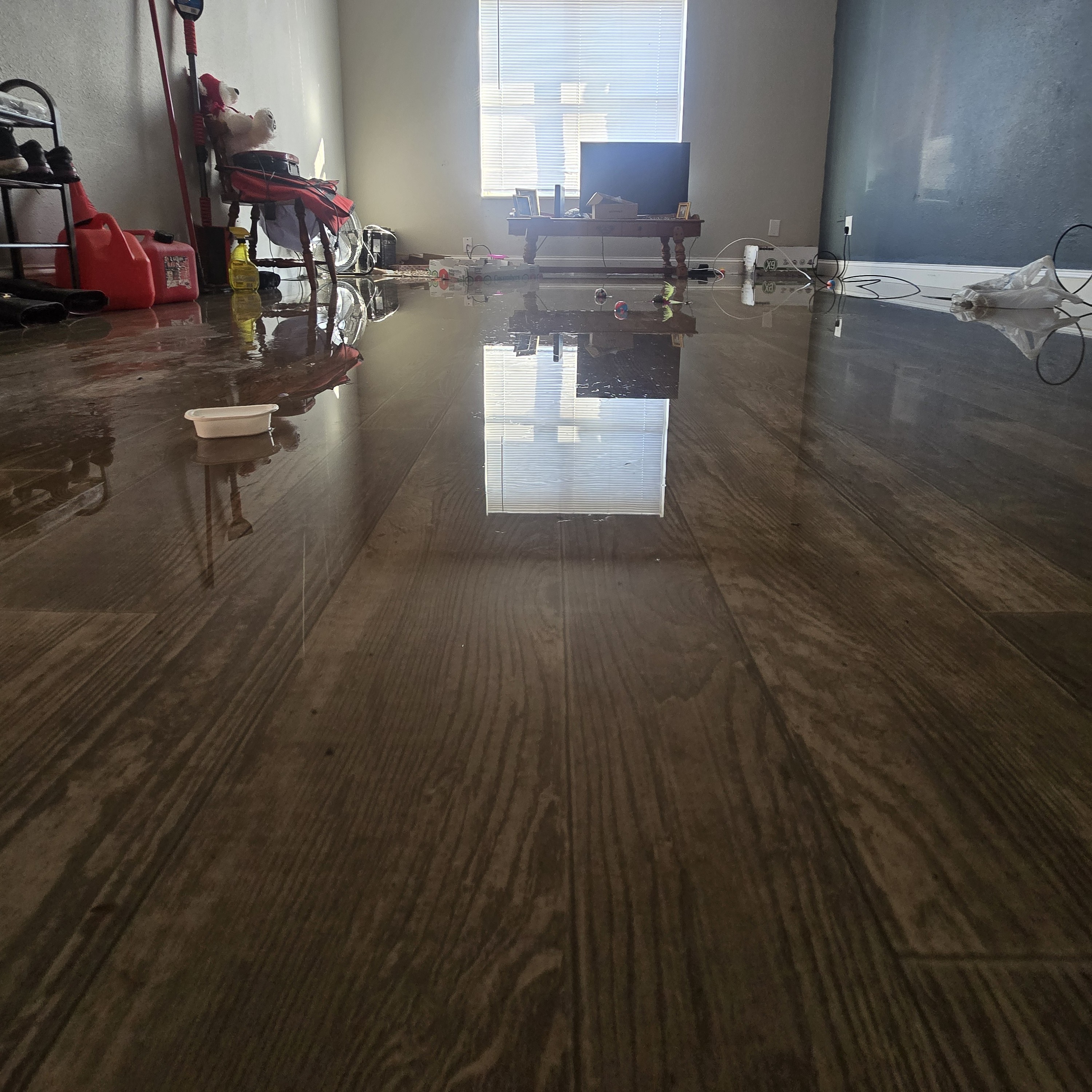
Mold needs moisture to grow. Identifying and addressing common sources of moisture is the first step in prevention.
Typical Moisture Culprits in Stillwater Homes
•Leaky Pipes and Roofs: Even small, persistent leaks can create enough moisture for mold to flourish.
•High Indoor Humidity: Stillwater's humid climate means indoor humidity levels can often exceed the recommended 30-50% range, especially in basements and bathrooms.
•Condensation: Poor insulation or ventilation can lead to condensation on windows, pipes, and walls.
•Flooding: Basement floods or water intrusion from heavy rains are prime catalysts for widespread mold growth.
•Poor Ventilation: Areas like bathrooms, kitchens, and laundry rooms often lack adequate ventilation, trapping moisture.
Detecting Mold: Signs You Shouldn't Ignore
Visible and Olfactory Indicators
•Musty Odor: The most common sign of hidden mold is a persistent, earthy, or musty smell, even if you can't see the mold itself.
•Visible Growth: Mold can appear in various colors—black, green, white, or even orange—and textures, often fuzzy or slimy. Check walls, ceilings, and around windows.
•Water Stains or Discoloration: Stains on walls or ceilings that are not actively wet can indicate past or ongoing moisture issues that may have led to mold.
•Peeling Paint or Wallpaper: Moisture behind surfaces can cause paint to bubble or peel, and wallpaper to detach, often a precursor to mold growth.
•Allergy-like Symptoms: If residents experience unexplained allergy symptoms (sneezing, coughing, itchy eyes) that improve when they leave the house, mold could be the culprit.
DIY vs. Professional Mold Remediation: When to Call CleanWater Restoration
While small patches of surface mold (less than 10 square feet) can sometimes be handled by homeowners with proper safety precautions, larger infestations or mold resulting from significant water damage require professional intervention. Professional assessment can identify hidden issues and ensure a complete restoration.
When to Call a Professional Mold Remediation Service
•Large Infestations: If mold covers an area larger than 10 square feet, it's best to call experts.
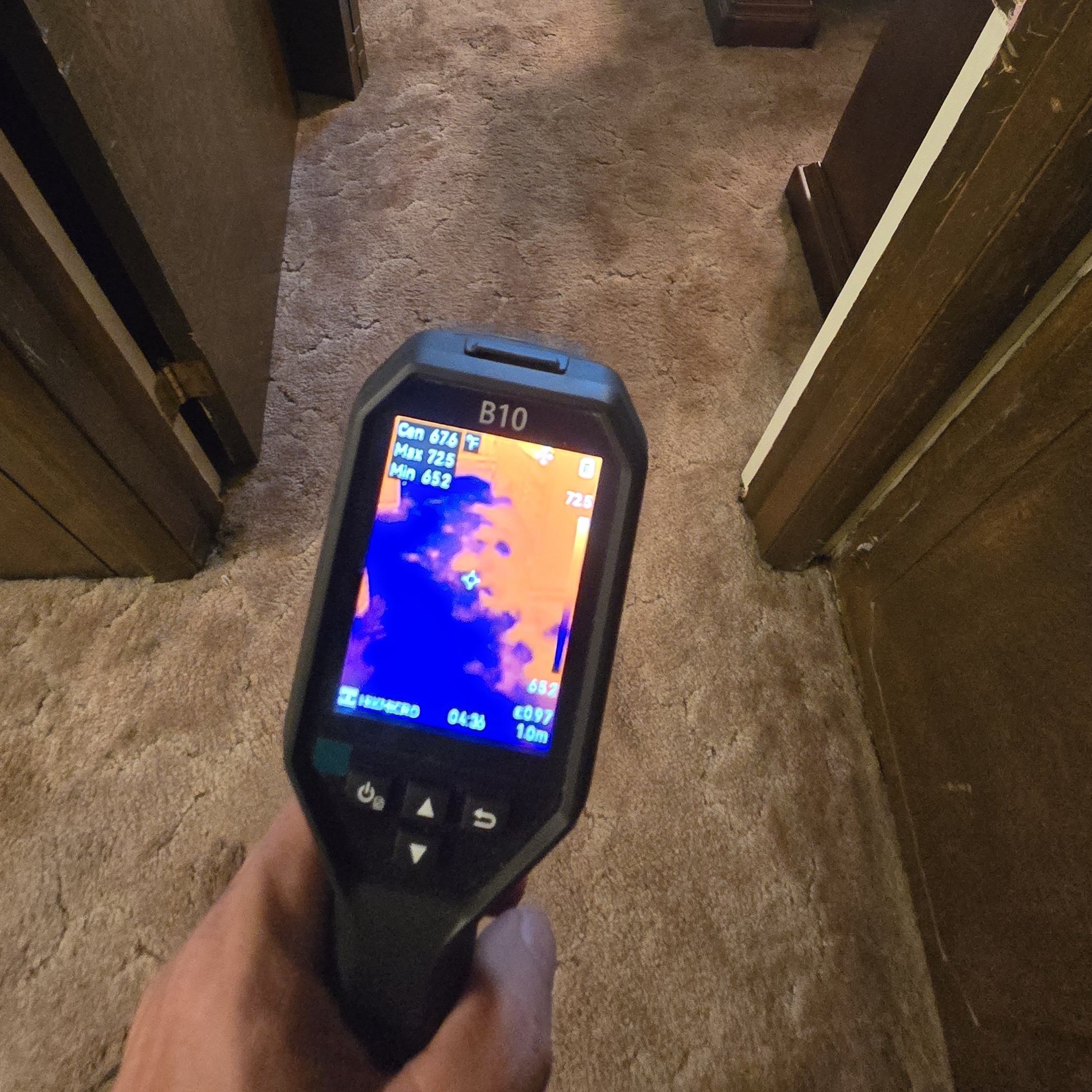
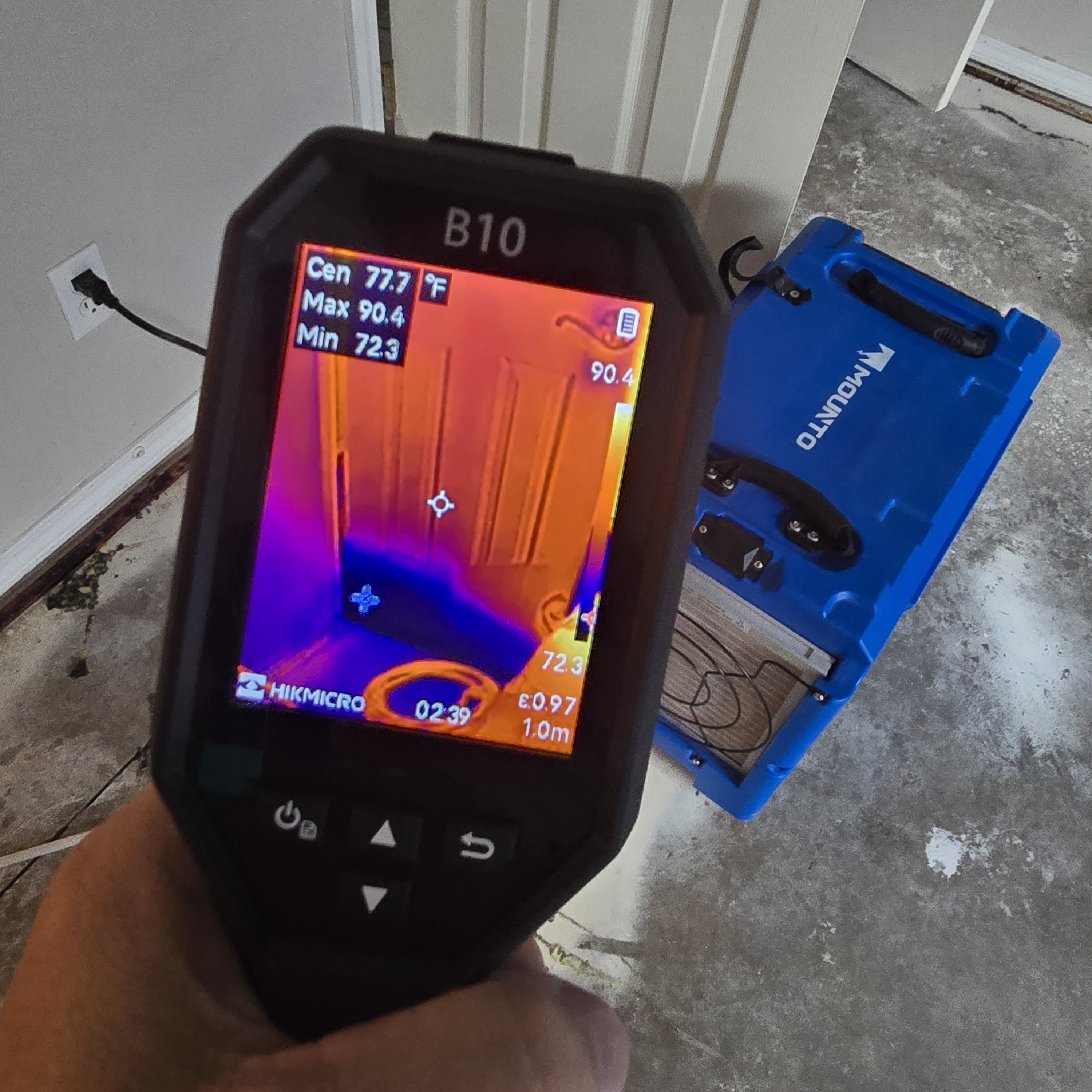
•Hidden Mold: If you suspect mold due to a musty smell but cannot locate it, professionals have tools to detect hidden growth.
•Health Concerns: If anyone in your household has respiratory issues, allergies, or a compromised immune system, professional remediation is safer.
•Water Damage Source: If the mold is a result of significant water damage (e.g., flooding, burst pipes), the underlying moisture issue needs to be addressed by professionals.
•Black Mold: While not all black mold is toxic, it's prudent to have any significant black mold growth assessed and removed by professionals.
🔥 Have you seen our TikTok? It's lit over there! 🔥
The Professional Mold Remediation Process
CleanWater Restoration follows IICRC standards for mold remediation, ensuring a thorough and safe process:
1.Assessment & Containment: Identifying the extent of the mold and containing the affected area to prevent cross-contamination.
2.Air Filtration: Using HEPA air scrubbers to remove airborne mold spores.
3.Moisture Removal: Locating and eliminating the moisture source, followed by thorough drying of affected materials.
4.Mold Removal: Safely removing mold-infested materials and cleaning salvageable items.
5.Cleaning & Sanitizing: Cleaning and sanitizing all affected surfaces to eliminate residual mold and odors.
6.Restoration: Repairing or replacing damaged structures and materials to restore your home to its pre-mold condition.
Preventing Mold: Proactive Steps for a Healthy Stillwater Home
Essential Mold Prevention Tips
•Control Humidity: Use dehumidifiers in basements and crawl spaces, especially during humid months. Aim for indoor humidity levels between 30-50%.
•Ensure Proper Ventilation: Use exhaust fans in bathrooms and kitchens. Open windows when possible to promote air circulation.
•Fix Leaks Promptly: Regularly inspect pipes, roofs, and appliances for leaks and repair them immediately.
•Clean and Dry After Water Intrusion: After any water event, thoroughly clean and dry all affected areas within 24-48 hours.
•Improve Drainage: Ensure gutters are clean and downspouts direct water away from your foundation. Maintain proper grading around your home.
•Insulate Pipes: Insulate cold pipes to prevent condensation, especially in unconditioned spaces.
The CleanWater Difference: "Call the One with the Duck!"
Why do so many Stillwater families trust us? It’s because we’re your neighbors. We’ve seen the same storms you have, and we’ve helped our community rebuild after every one of them.
We are IICRC-certified, meaning we follow the highest national standards for cleaning and restoration. But more than that, we bring the legacy of trust that started with Okie Carpet and continues today as CleanWater Restoration.
Don't Let a Storm Dampen Your Stillwater Spirit.
Water damage is stressful, but you don't have to face it alone. From the first drop of rain to the final inspection, CleanWater Restoration is here to ensure your home remains the safe, dry haven it’s meant to be.
Ready to restore your home?
Don't wait for the mold to move in. Get your free estimate today and see why we’re Stillwater’s #1 choice for restoration and cleaning.
Call us 24/7 at (405) 714-4165 to schedule your service.
Get in Touch
Get your free estimate today!
A.V. Simpson, CEO

We’re a Stillwater local, IICRC-certified restoration team specializing in carpet cleaning, upholstery care, mold remediation, and 24/7 water damage mitigation.
"Call the one with the duck!"
Services
Contact


© CleanWater Restoration. 2026. All Rights Reserved.